Pharmaceutical antibiotic pills do work, but they come with terrible side effects, namely the destruction of healthy gut bacteria, which dominoes into all kinds of illnesses, causing the body to fail in it’s ability to strengthen its immunity, and the cycle repeats. The best way to fight bacteria and infections, is to do it naturally, and these medicinal wonders have no side effects. Plants have been used for centuries as sources of medicines, including those that possess antimicrobial properties. Some examples include garlic, onions, turmeric, ginger, and honey. The process of extracting these natural antibiotics involves harvesting the plant parts containing them (such as leaves or roots), drying them in a cool, dark place for several weeks to enhance their potency, then grinding them into powder form. Once this is done, you can mix it with water or other liquids and consume it directly or use it topically on your skin.
Here’s a list of my favorite 25: types of plants containing natural antibiotics, along with their names in Latin:
NOTE: Staphylococcus aureus = Staph Infection, Escherichia coli = E-Coli
1. Allium sativum (garlic) – Antibacterial and antifungal properties
2. Allium tuberosum (onion) – Antimicrobial activity against bacteria like Escherichia coli -Coli]
4. Araliaceae (ginseng root) – Exhibits antibacterial and anti-inflammatory effects
3. Apiaceae (carrot, celery, fennel, parsley, parsnip, dill) – Contains essential oils with antiseptic properties

5. Asteraceae (chicory, sunflower, artichoke, lettuce, thistle) – Rich in flavonoids that have antimicrobial properties




6. Berberidaceae (goldenseal root) – Contains alkaloid berberine with antibacterial and anti-inflammatory effects

7. Boraginaceae (blue lacecap, borage) – Exhibits potent antifungal activity against Candida species [yeast infections]


8. Brassicaceae (cabbage, broccoli, cauliflower, kale, mustard greens, radish) – Contains glucosinolates with antibacterial properties


9. Burdock root – Exhibits antimicrobial activity against various bacteria and fungi


10. Caryophyllaceae (peppercorns, poppy seeds, saffron) – Contain alkaloids that possess antifungal properties


11. Caricaceae (borage) – Rich in polyphenols with antibacterial activity against Staphylococcus aureus [Staph Infections] and Escherichia coli
12. Celastraceae (bittersweet nightshade) – Exhibits antibacterial activity against Escherichia coli and Staphylococcus aureus

13. Chlorophytum borivilianum (borivliant bulb – Safed Musli) – Contains saponins with antimicrobial properties

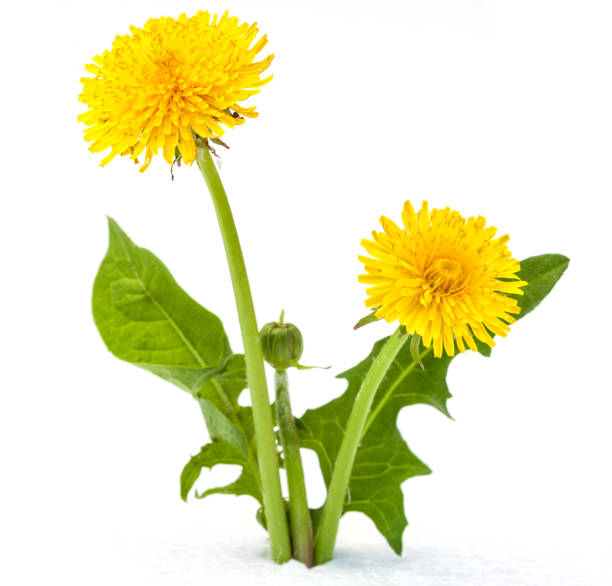
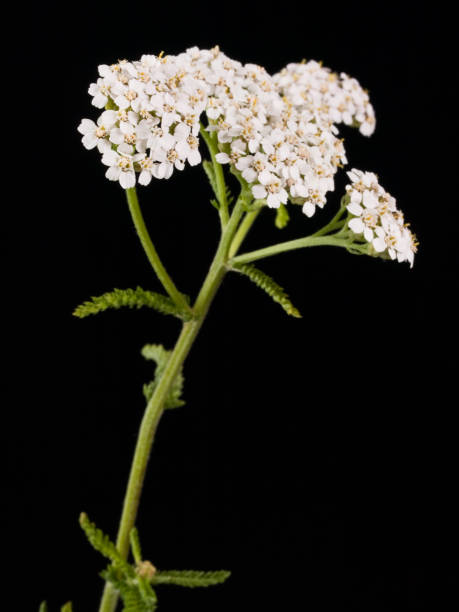
14. Compositae (chamomile, dandelion, ragwort, yarrow) – Exhibits antibacterial activity against Escherichia coli and Staphylococcus aureus


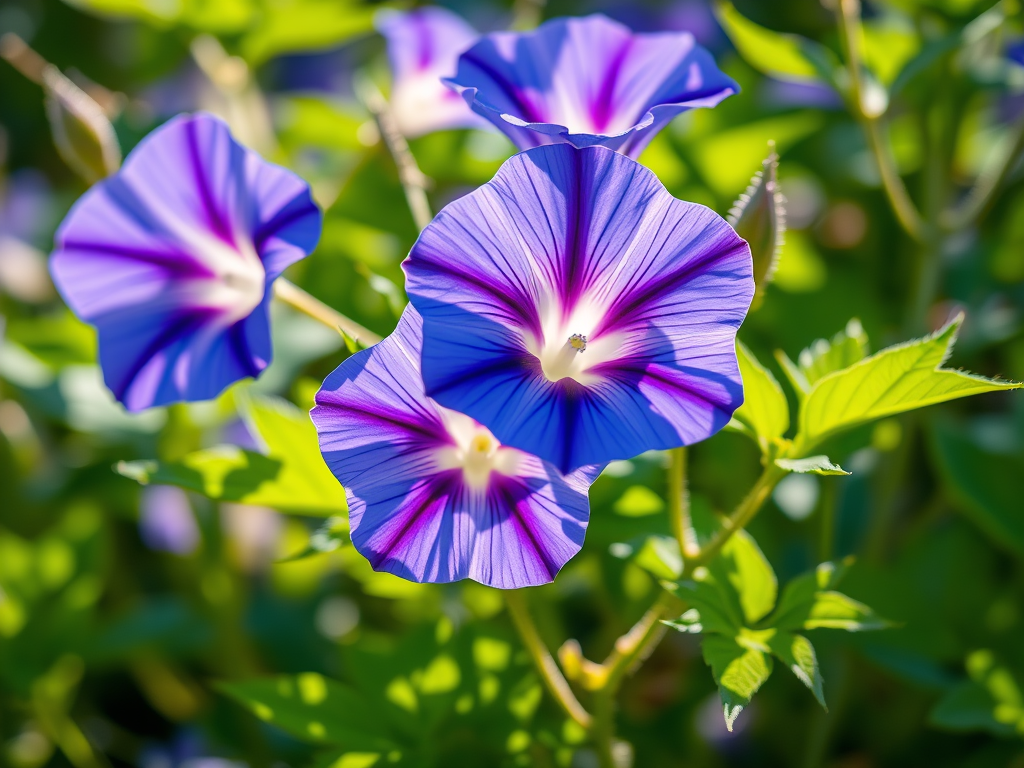
16. Convolvulaceae (morning glory) – Contains alkaloids with antifungal properties
17. Cucurbitaceae (cucumber, pumpkin, squash) – Exhibits antibacterial activity against Escherichia coli and Staphylococcus aureus
18. Dioscorea (yam) – Contains alkaloids with antifungal properties
19. Equisetum (horsetail) – Exhibits antibacterial activity against various bacteria, including Escherichia coli and Staphylococcus aureus
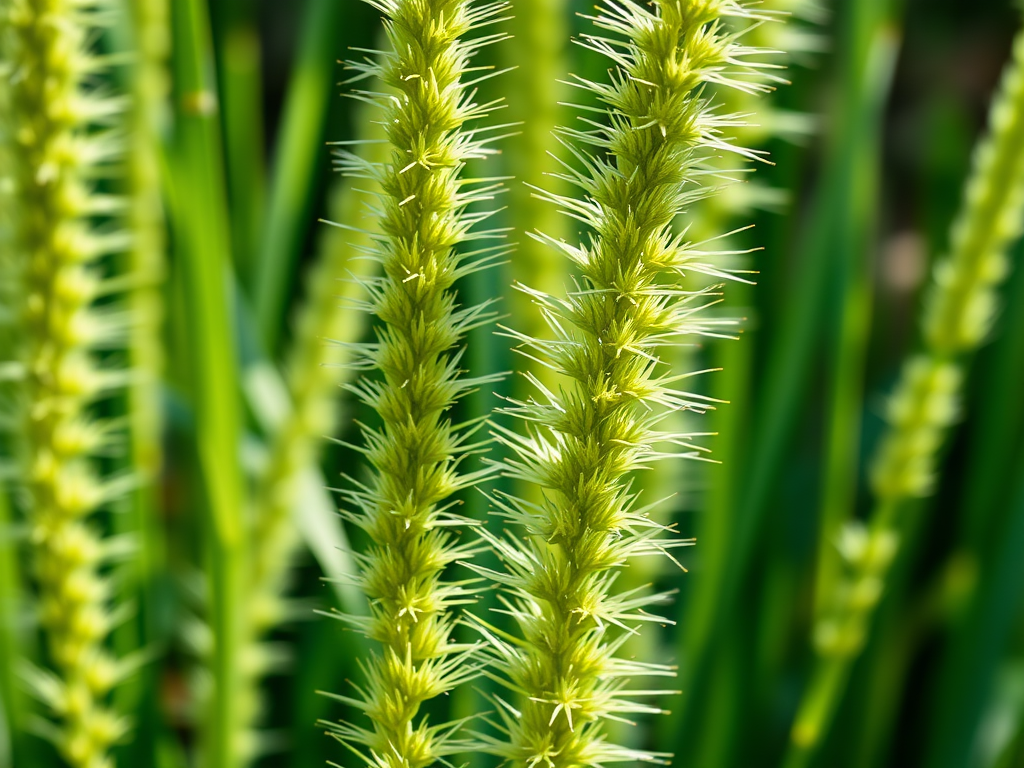
20. Fabaceae (alfalfa, broad bean, fava bean, peanut, soybean) – Contains isoflavones with antimicrobial properties
21. Fagopyrum esculentum (buckwheat) – Exhibits antibacterial activity against Escherichia coli and Staphylococcus aureus
22. Ginkgo biloba (ginkgo nut, ginkgo seed) – Contains alkaloids with antifungal properties
23. Gentianaceae (gentians) – Exhibits antibacterial activity against Escherichia coli and Staphylococcus aureus

24. Ginseng root – Contains saponins that possess antimicrobial effects

25. Hypericum perforatum (St. John’s wort) – Exhibits antibacterial activity against various bacteria, including Escherichia coli and Staphylococcus aureus

There were over 100 different plants that contain natural antibiotics, but for brevity’s sake, I am only including my top 25 choices. This list is only a reference and if you’d like to get into the details of how to prepare each plant (teas, tinctures, dehydration, etc.), I would suggest you pick one that you have growing in abundance in your area, and start to research that one plant and go from there.
Hope this helps kickstart or enhance your medicinal foraging journey! Good luck and stay healthy the natural way!
 Simple Home and Hearth
Leave a comment